
It’s May and the BUGS ARE BACK! It’s amazing how many more opportunities they give for kids playing outdoors. They’re great at interrupting and distracting and give all kids a chance to get up close and personal with zero expense. You can also find most of them within close range of where you live. Here’s our favourite bug related activity from the 365 day nature play challenge for anyone else out there looking for some ideas to get you going.
1. How many bugs can you find in 2 minutes?
Can be done individually or as a competition. How many can you spot? Can you see any that are hiding? You might find you need more than 2 minutes. We found 1 was too short to get a good list.
Basic rules: you can only find one of each species (so if you find a nest of 100 woodlice it counts as 1). You’ve got to see them (so if there’s something buzzing you’ve got to follow it till you can see what it is). You can add extra points for finding something that’s trying not to be noticed.


2. Testing ants’ taste buds
This one is so simple I’m amazed we’d never done it before. When you see lots of ants wandering around, raid the kitchen cupboards for things you think they’ll like. We did sugar water, honey and jam but options are endless. Put them outside where you live at a distance (so it doesn’t encourage them in).
The results might surprise you. We found they were generally more interested in doing whatever they were doing than eating sweet things but if you put them close they’d have a go. It’s a great way to get kids watching them and trying to work out what they’re doing and what they want.
3. Rescuing a bug
A classic. When out and about look out for bugs in need of a helping hand. Ladybirds are the most popular with us but big black beetles are generally welcomed too.
If you put your hand in it’s way it’ll often climb on. Or if you’d rather not touch you can find a nearby leaf to help. Then work out where it would prefer to be and put it there. Sometimes we name them on the way and we keep an eye out for them again.


4. Hunting snails at night
Great to do if you have young plants you’re trying to protect. Head out with a torch and catch the snails (and slugs) in the act.
It’s up to you what you do with them. You could start a snail collection and keep them as pets for a bit or just move them somewhere else where they’ll be less destructive.
5. Follow a butterfly
Can you catch a butterfly? Probably not but it’s fun trying. They will lead you a merry dance. If you do get close enough be careful not to hurt them. B has mastered the art of gently picking them up into her hands, talking to them for a bit and then letting them fly free.


6. …or order your own
If you want to go one step beyond chasing, why not order some caterpillars. Insectlore will provide you with a net cage and caterpillars in a tub. You watch as they form into Chrysalides and then transfer them to the net cage. A few days later and the butterflies emerge and you can watch them for a bit before setting them free.
Once you’ve done it once, you can even use the cage to deal with any resident caterpillar infestations on the cabbages!
7. Experiment with cobwebs
As summer progresses the cobwebs get better and better. Can you find a good one? Will you leave it for the spider to catch it’s food in or find another use for it?
Spray water on it from a mister and see how the drops form. Wind it round a pencil. We’ve heard that some people spray them with glue or paint and trap them perfectly on a piece of card but every time we’ve tried it’s broken before we can get there. One to aspire too.


8. Catch a grasshopper
Harder than a butterfly this one but a lot of fun. The grasshoppers can really jump.
Find them by listening, then see if you can spot one (this is hard in itself). Then see if you can catch it. It can be easier with a glass jar or some such.
Be warned. It might not be possible. B got this one because it had only one leg (not anything to do with us!) and couldn’t jump away as fast as the others.
9. Find a flat spider
These spiders are totally brilliant. We only found them in July and August last year but there were a few weeks when we couldn’t move for them.
They look just like black lines and merge brilliantly into wood patterns. Poke them and they spring to life. Then we run away screaming.


10. Hunt woodlice
Before you begin, get a pot and fill it with damp earth, old wood, old dry leaves and anything else you think they’ll like. Then start hunting…
You shouldn’t have to look too far. Under pots and logs is a good start. When you find some pop them in and see what they do. If you’re lucky you can come across a whole civilisation. It’s just a matter of finding the right plant pot.
11. Rescue a worm
One for younger kids this I think. B won’t touch them now because they’re ‘slimy’ (they’re not). Poor worms are too often to be found in the middle of pavements and walkways (dropped by passing birds?). Pick them up and move them to somewhere they’ll like better.
If you’re feeling ambitious you could attempt to make a wormery or explore a compost heap.


12. Race snails
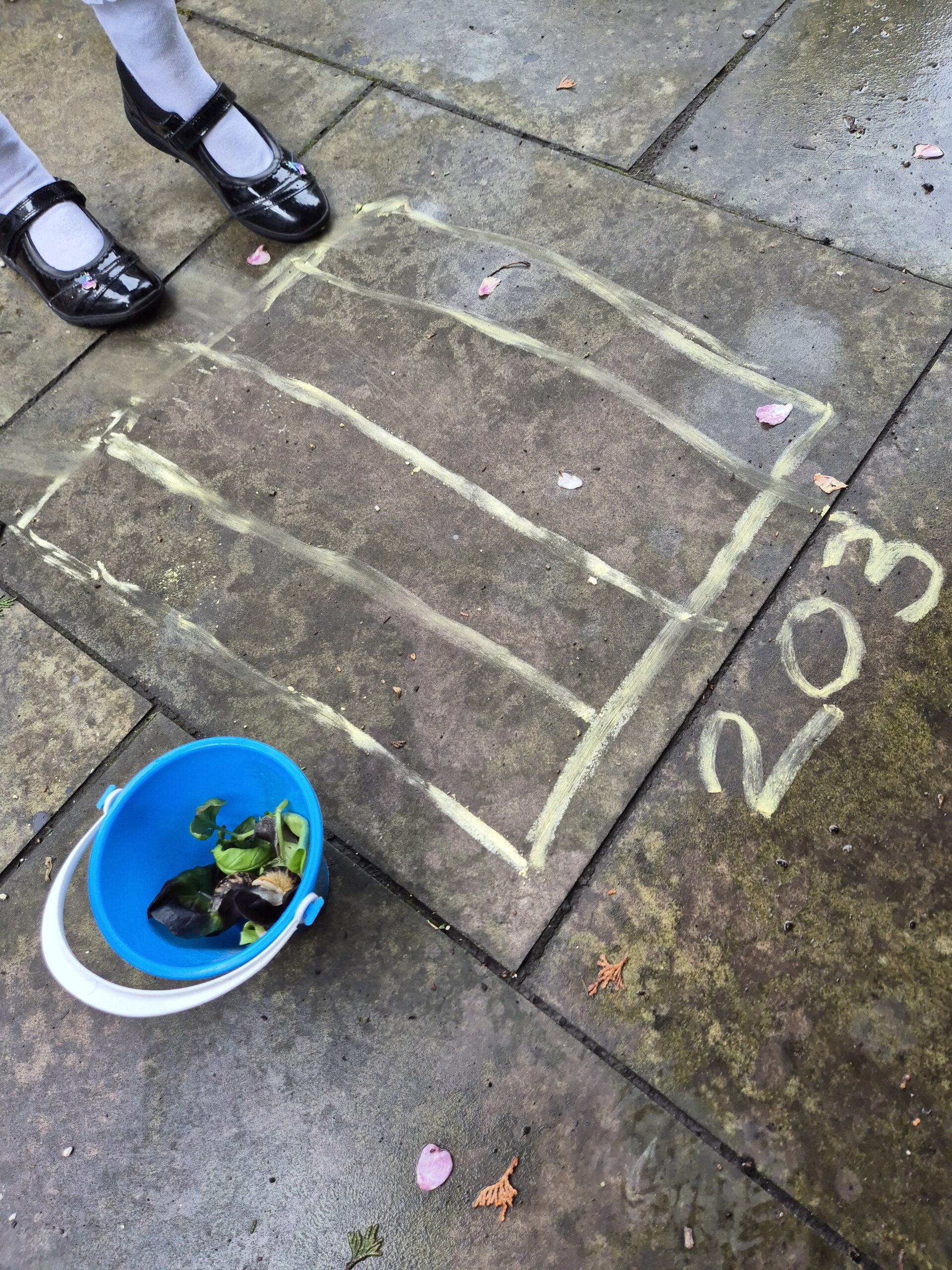
A brilliant sport for a damp summers day. Make a chalk course. Find your snails. Find an incentive to put at the end. Then line them up and let them go.
Whose your favourite? Whose going to win?
It’s amazing the directions they’ll go in, the way they’ll veer off halfway through and how the slowest sometimes gets there in the end.
13. Finding life in the paddling pool
There’s advantages to being a bit lazy putting the paddling pool away. A week after we made our garden spa last year, we noticed that the whole paddling pool was full of teeny wriggling things. They were emerging, like tiny pink worms, out of lumps of brown stuff on the bottom.
I wouldn’t say it was B’s best challenge but it was definitely educational on standing water and bug life!

Happy bug hunting. If you’d like to read more about our original challenges you can find some more of the original blog posts here. We’ll keep adding more to this list as we find them.


