
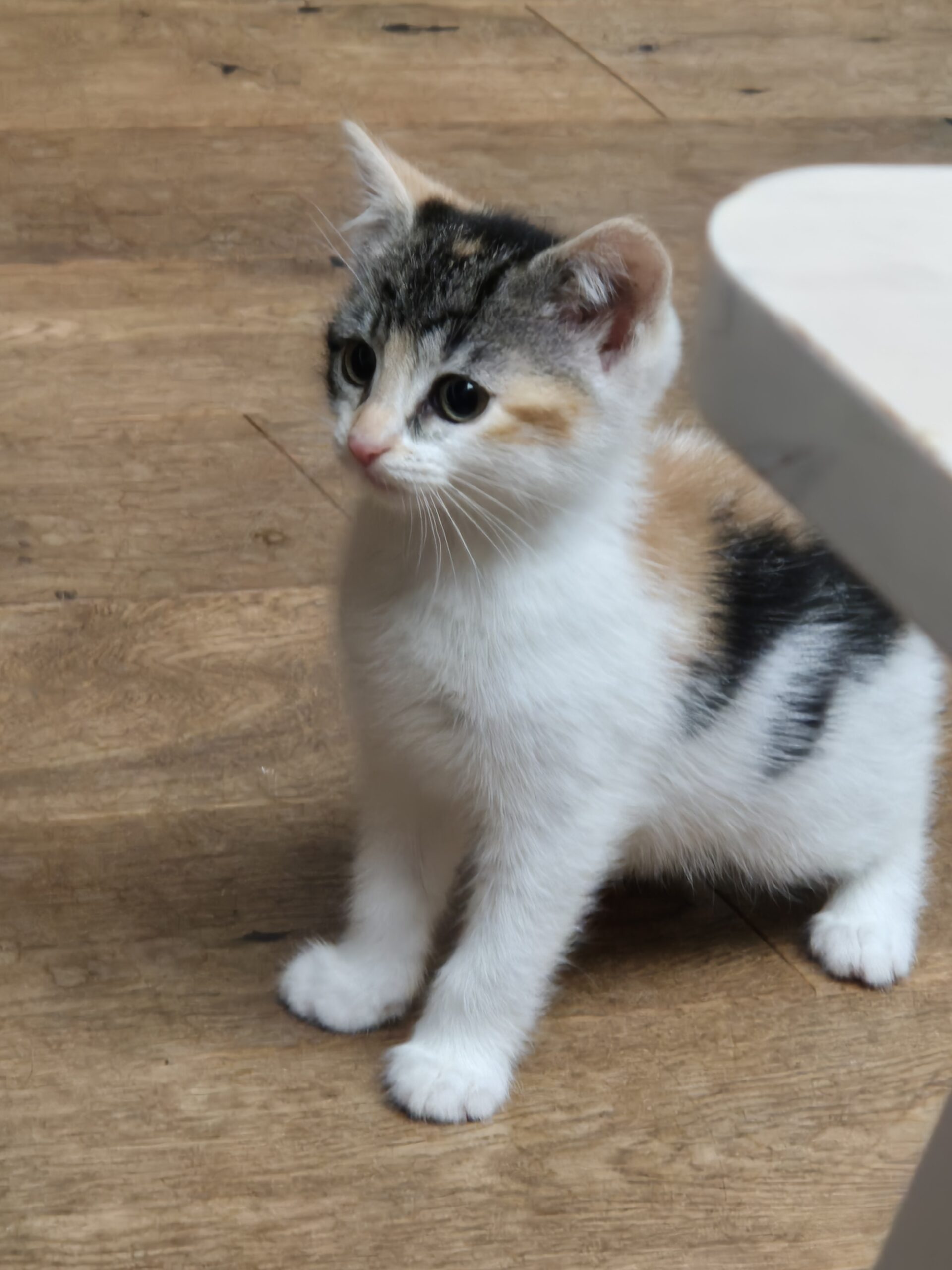
Not a comprehensive list this, but in the past 8 years we’ve had guinea pigs, rabbits and cats and walk a dog. Here’s some thoughts if you’re wondering which way to go…
Can you get away with small temporary residents?

Before diving into the expensive and long term world of permanent pets, have you exhausted all the free/cheaper possibilities out there? I’m talking bugs!
There are free ones everywhere you can adopt, take home and work out how to look after.
If you want something with just a little commitment Insectlore have some great options. We’ve grown stick insects from eggs, ladybirds from larvae and butterflies from tiny caterpillars. They’re all great to watch but have less of a time commitment.
Guinea pigs and other rodents
Guinea pigs were the first pet B had. She was just three when we got Dandelion and Burdock and they were lovely pets in many ways. They’re very tolerant, will cope with being picked up and carried about and like sitting on laps and being stroked and brushed. They also squeak and have very obvious personalities.
Downsides, they don’t control their wee or poo much. The poo is easy to deal with (round un-smelly pellets) but the wee is. At some point, if a child has them on their laps too long, they’ll wee on them. It’s also a lot of cleaning out and cage maintenance. They’ll eat all the discarded veg peelings but will need a lot more besides. If you keep them in the house you’ll be torn between the time it takes to clean them out and the smell level.
Oh and there’s a lovely idea that kids will help with the cleaning. Never EVER happens!

practicalities
Food: Lots of hay (& grass where available); daily veg, small portions of food pellets and water.
Also: You’ll need a cage of some sort to keep them in, wood shavings, water bottles and food bowls. They’ll need regular cleaning out which takes some time. They’re herd animals so happiest in large groups but also breed almost as much as rabbits do so you’re probably looking at two boys or two girls. We ended up with a neutered male and two females and they were very happy but neutering costs were ridiculous. I found the hardest thing was making sure they got out of their hutches and got exercise. We ended up with a secure area they could roam around in the garage but it was logistically tricky.
Lifespan: Up to 8 years.
Rabbits
We got our first rabbits when B was 8 and I was glad we’d gone for guinea pigs when she was younger. Rabbits are feisty. They thump, scratch and bite and are generally very happy to kick you if you are annoying. They will sit on your lap, or be held, and be very cuddly if they’re happy. They need a lot of space. You can house train indoor rabbits I believe. Ours are outside and they tend to use a specific place but will also use wee as a territorial marker.
If you’ve got a large garden you can, in theory, feed them from it but overtime they’ll probably win. Ours have destroyed most of the edible things in our small garden now and cost quite a bit in cabbage and other green veg. I love picking grass and dandelions for them (we have a communal bit of green land at the back of our house which helps with this). B used to help with this but generally now she has zero interest apart from trying to pick the rabbits up. If she succeeds she sometimes gets a cuddle before they kick her.

practicalities
Food: As per guinea pigs but more of everything.
Also: The tricky thing with rabbits is finding the right amount of space for them. They need to be able to move around and many rabbit ‘cages’ are far too small. They need somewhere they can properly hop about. They’re also herd animals and need to be in a same sex group but they’re very territorial so putting two strangers together is tricky.
Lifespan: Up to 12 years.
Dogs
Hands up, we don’t have a dog so I am far from an expert. We spent a lot of time at the beginning of 2025 thinking about whether to get one. We both really liked the idea of the companionship a dog would bring. I felt it would be a real active friend for B that would see her through secondary school and give her emotional support and something reliable to connect and bond with. I also thought it would get her out of the house walking it. However, while companionship between dogs and kids is definitely a real thing, as time went by I got less certain about the latter aim. Most of the friends with dogs I’ve surveyed have founds the kids remarkably reluctant for walkies when it’s their own dog involved.
The issues we had in getting a dog were mainly about time and flexibility but also a bit about cost. Dogs need regular walks every day, can’t be left for long periods and need to travel with you. With only one adult and one child in our household this was just logistically too difficult for us. They also cost a lot to feed and can be astronomical in vet fees if they get ill.
In the end we decided against the puppy and got a kitten instead. We did, however, find a dog that needed to be walked in our local area and have made firms friends with him. This has worked really well for us. B will come out once a week to walk him as it’s the only time she gets to see him, though the amount of time she spends waxes and wanes and sometimes I’m left holding the lead.
If you’d like to investigate this, it’s worth looking at Borrow My Doggy We had a great experience with them but I have friends who were not so lucky. It’s all about finding a family and dog where the needs match what you’re happy to provide.
Cats
We are the proud servants of Pickle (aged 6 and a half) and Primrose (18 months) and both B and I are definitely now cat people. From our experience, cats are definitely the easiest pets to have. They are independent, house trained and spend a lot of time sleeping and more ignoring you. But they love it when you play with them.
B was 5 when we got Pickle which worked pretty well. She was old enough to understand that he could scratch and not to grab. As a kitten he put up being put in her dolls pram and wheeled around. They occasionally fight like siblings.
Last year we added Primrose to the mix as our DEFINITELY FINAL NEW PET. As a mature 10 year old, I wanted B to lead on bringing her up and take on some of the responsibility. This partly worked. She was very hands on playing with her, scooping her up and putting her where she wanted her and trying to control her life. Still not so much in the litter training or feeding aspects though.
Primrose puts up with a lot but scratches when she has had enough (Pickle does this too). B wears the scratches with pride but tends to keep doing the annoying thing. I’d say B’s relationship with both is teaching her tolerance and respecting other creatures points of view… but very slowly. In the meantime they both put up with her and when she’s at school they sleep on her bed.

practicalities
Food: Dry and/or wet varieties of meat based foods required twice daily. And water needs to be available all the time.
Also: You need to find a space for a litter tray, and change it according to how much they use it.
Indoor/Outdoor: People tend to have firm views on this. We have outdoor cats. We have a back garden they use and it’s quite a few fences from a road and that’s a quiet one. I’m hoping this keeps them safe. They go out a lot and do most of their business outside so the litter tray is mainly ornamental. If you don’t have outside space, be aware that they will need more attention and the litter tray will need to be changed more often.
Lifespan: Up to about 20 years
The harder side of pet ownership…
It’s tempting to think about only the good things when selecting a pet (cuddles, playmates, stress relief) but, before committing, have a think about how you’re going to deal with things not going so well. Small mammals (gerbils, hamsters, etc) only live for about a year so they’re not a big commitment but your child is going to need to deal with them dying quite soon. Opting for guinea pigs partly because they lived longer, I reckoned B would be 6 or 7 (sorry) before we lost them and able to deal better. I was quite wrong. We lost one 6 months after getting them and she was completely oblivious to it. I replaced him with two girls and they all lived 3-4 years and died when B was 7. She found it very hard and it was quite traumatic for a time, though I think long term it helped her understand mortality. These are tough lessons for kids and parents but they are important things we all have to deal with at some time in our lives.
…and illness
In some ways, I’ve found pets being ill almost as bad as pets dying. Seeing anything in pain is really hard and negotiating vets and vet fees often makes it more so. You need to make godlike decisions on their behalf in terms of when it’s worth taking them to the vet and how to interpret what the vet tells you. Generally, my rule of thumb, after some painful and expensive experiences, are that I will avoid taking a rabbit or small mammal to the vet unless they are clearly in huge amounts of pain. The trauma it causes them to be taken away from their home and their companions is just too great.
The cats get taken even though they don’t like it but sometimes I have to put my detective hat on to try and work out what’s going on with them and whether expense is really necessary. It’s the one time I get scratched as much as B.
Do they help with nature challenges?
Most important question: do pets help kids play with the natural world? I’d say definitely yes. When we got our first kitten I was amazed at how much watching him connect to things in the garden made us notice them too. We tuned in far more and we needed to start to think about what animals needed what and how to protect and help them. With both cats, the year they were 1-2 has meant an awful lot of dead and in peril mice and birds and, while not always pleasant, it’s again given us access to creatures we wouldn’t normally come close too. B will always remember the knocking sound from behind the old bookcase. I thought it would be a rat. We got oven gloves and a box and pulled it out and a baby sparrow flew out!
I found the smaller pets great for getting B out and interacting when she was younger. She needed help to connect with the rabbits and the guinea pigs but normally was always happy to build them an obstacle course in the garden or make them a tea party. When out and about in town B really notices other animals now too, says hello and gets joy from the smallest interactions.
I have to say my one disappointment was dog walking. Don’t get me wrong, we love it, but it’s very hard to do any other nature challenges at the same time. He tends to need all our attention.
Final thoughts
Getting pets has added a lot of daily tasks to my ‘to do’ list each day (particularly the guinea pigs and rabbits) but it’s absolutely been worth it. They’ve given us cuddles, provided an alternative perspective in times of stress and increased the number of hours we play. We’ve found them to be a real gateway into getting us looking and connecting to the natural world. They’ve changed us and broadened our world view. I can definitely recommend it!


Leave a Reply