
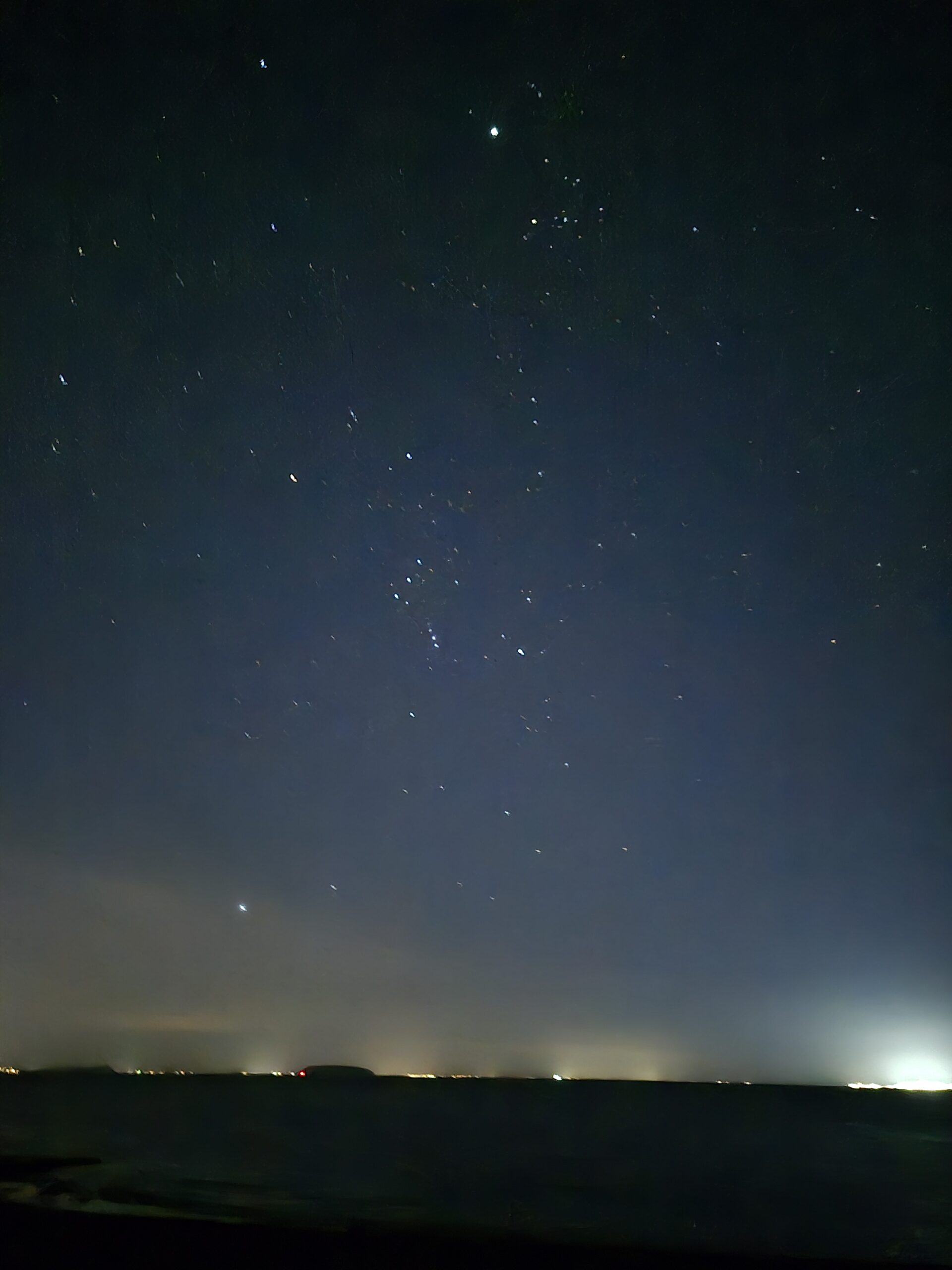
Stargazing is one of those challenges that we still haven’t cracked, despite several high octane attempts. I’m beginning to realise we probably won’t crack it until B is about 25. It’s a lovely idea but there are some serious practical issues involved in negotiating it. Here’s my list of pros and cons of stargazing for other single mums out there thinking of it.
A disclaimer to start. If you are an intrepid outdoor explorer who lives in tents and traverses the outside routinely this article is probably not for you. We aspire to be like you one day but we’re a way off.
The good bits first…
Kids love it
Stargazing is one of B’s favourite things to do, slightly tempered now by the issues laid out below. She really wants to look at the stars and know them better. PLUS it means going out in the dark at night near bedtime. This can only be a good thing.
It’s educational
In Wales, space and the night sky is part of the school curriculum. It’s a great way to get kids thinking about so many other scientific ideas as well as specifically astronomy: such as gravity, propulsion, distance, light years, space, tides and navigation.
It’s creative
For centuries our ancestors made up stories about the stars and now our kids get to, too. B’s had the most fun just making up her own constellations. We can use the stars to make stories and see patterns in them. There’s a danger we feel we have to know the map and understand the night sky but there’s a huge joy just in wondering at it and being inspired.
So what’s so bad?
It’s all about the practicalities.
I’m sure there are people out there who live with or by big gardens in areas with no street lights that are totally safe and easy to access. Again this blog is not for you but we’d love to be you one day. As it is…
It’s all about location
We’ve tried going to the beach, to a country park, sitting on roof terrace, on a promenade by the sea and just hanging around in the back garden. There’s pros and cons to each. The biggest issue is light pollution. If you live in a town, getting anywhere where there aren’t lights at night is really tricky. We’ve never managed to really see the Milky Way. I’m learning that maybe this is ok and we should take what we can get. As B gets older, more extreme locations should get easier…possibly.


Check the weather and the moon
You can have great plans for an amazing stargazing trip but if it’s cloudy there’s no point trying. There’s nothing more annoying than the cloud arriving 30 minutes before you’re due to leave either. Check the weather and also check the moon. You’ll see less stars when the moon is full and more when it’s gone. That said, you’ll definitely see the moon and it’s cool to watch, so there are upsides to a full moon stargazing trip, especially given seeing the whole milky way is probably not going to be possible anyway.
Being comfortable
Our first proper stargazing attempt was on a stony quiet beach away from too many street lights. It was pretty dark and pretty cold. We took big duvet coats, warm blankets, torches and a picnic. B really enjoyed herself. I really didn’t. We carried an awful lot over the stones but not anything comfortable to sit on. You really need to lie down to see the stars.
The easiest solution is to stargaze from home, or somewhere you’re staying. That way you have more resources to get yourself relaxed and comfy and able to enjoy the sky above you. If you are heading out, I can’t recommend enough somewhere which is going to be comfortable to sit on or lie on. You’ll have enough to carry without doing chairs too.
Staying warm
On a similar note, don’t underestimate how cold you’ll get, particularly if it’s not summer. It’s a very still activity. Warm clothes, blankets, down coats, hot drinks – all help a lot. You could make a fire, though it will add to the light and detract a bit from the view.
Being safe
A big issue this. We’ve had three stargazing tries in outdoor public places and all were problematic. If you manage to get somewhere which is really dark the likelihood is that it’s also very lacking in people. This doesn’t mean it’s unsafe but it can FEEL unsafe. Particularly if you’re a mum on her own with small kids. Thankfully B is oblivious to this at the moment (and hopefully will remain so a while longer).
You can tackle by having a phone (and checking there’s signal) or ensuring you’re somewhere where there are other people relatively close. Best to think about it ahead of schedule though and plan around it a bit. Getting used to being out in the dark is possibly worth feeling insecure. If it’s a big issue for you though you might want to stay close to home or get a group together.
Spotting Ursa Major
So you’ve found somewhere that’s safe and warm and have found a comfy way to look up. Now what?
It’s taken me a long time to realise that maybe the best thing to do is NOT to try and recognise the constellations. If you can it’s great. We can recognise Orion. We started with the belt and now can do all of him. That’s about it. I tend to repeat on it and then feel inadequate.
B has much better ideas. She makes up her own constellations. We try and work out which star is the brightest. Are some of them different colours? Are any of them planes? Can we see a satellite? Are there any shooting stars?
We’ve invested in a map of the night sky but I’ve learnt not to pressurise myself to study it too hard.


Resolutions
A year on and here are my resolutions for stargazing in 2026:
- Get the where right
- Make sure it’s not cloudy and you know where the moon is
- Get as comfy and warm as you can.
- Sightseeing (ie, can you see Orion? Where’s the North Star?) is lovely but not the only option
- What can you observe that isn’t a constellation?
- Can you make a constellation up of your own?
- Think about where the stars are moving and how they change
- Talk about light years
- Incorporate stargazing into other events. If you’re out anyway, why not have a fire and a sing song and some chill out time along the way.
- Finally. HAVE FUN! It shouldn’t be hard.


Leave a Reply