
B and I agree that treasure hunts are one of the best things to do outside. They’re also one of the first things we did. We started back in 2019 (when B was 4) and it became a bit of a habit. You can do them lots of different ways and with a wide range of set up times. They are a bit complicated but we both think making them is even better than doing them (B makes them for me now too). Below are some thoughts to help you get started.


The basic blocks
The first thing to do is work out where you’re doing it. We initially did them around the house and garden but then we needed a bigger playing field. We’ve done a few round the town, hiding the clues where no one will disturb them for an hour or two. The one B liked best was done with a friend in the local square. You can make them so they form a route or a walk. If they’re in a smaller space you can separate out the clues so they crisscross and get the kids running back and forth a lot.
The simplest way to make it is to get some little cards or bit of paper (I’d recommend 12-24) and write clues on them. Work out how the first clue will be delivered (ie, will you give it to them? or give them a verbal clue to find it?). Then you work along the route, making sure to put the second clue in the first clues’ location, third clue in the second clues’ location etc…
For example:
First clue says behind the soap in the bathroom;
Behind the soap in the bathroom is a clue saying under the sofa in the living room;
under the sofa in the living room is a clue saying in the wendy house in the garden…
etc
For younger kids you can draw pictures instead of writing. For older kids you can make things rhyme or do a variety of different types of clues (anagrams, pictures etc).
Then you just have to work out what the ‘treasure’ will be and where you can put it where it will be safe till it’s found.


Getting it to take time
The biggest problem I’ve found with treasure hunts is getting them to last a fairly long time in a fun way. It’s very annoying when you spend an hour setting up a fantastic one only for the kid(s) to run round it in five minutes and be done. I’ve tried to counter this by doing a longer route but if B is any guide kids don’t always have the patience to walk hundreds of metres between clues. Here are some tips:
- The best hiding locations are ones where they can see it but it’s going to take some ingenuity to get it. This might mean going round the local park with a ladder! It’s worth it.
- It’s best if clues don’t mind getting a bit dirty. Then you can hide them in tree trunks, rabbit holes etc.
- It’s great if the clues get them to notice interesting things in the environment. With a bit of luck they get distracted and find more things to play along the way.
- I think it works best in a location they know reasonably well but which isn’t ‘theirs’. Local parks are great.
B loves finding her way to things. The key is working out what she can actually find. Now, at 10, we’re doing hunts round the local community and getting her to find her way from the ‘big tree behind the school’ to the ‘dog walking park’ etc. When she was younger she needed more help, a more confined environment and more clues. She’ll put up with more walking time if she’s getting to work out where she’s walking to.
Let YOUR creativity run wild
Now at the grown up age of 10, B likes her treasure hunts as straightforward clues and instructions. At 4 it was very different. One Christmas eve a letter from our garden fairy, Twinkle, was found on the floor by the door saying she’d lost something precious and could B follow the clues and find it for her. We also had ones where we had to rush to find the clues to save them from the evil witch. I wish B had been more into pirates. A pirate one could be very fun.
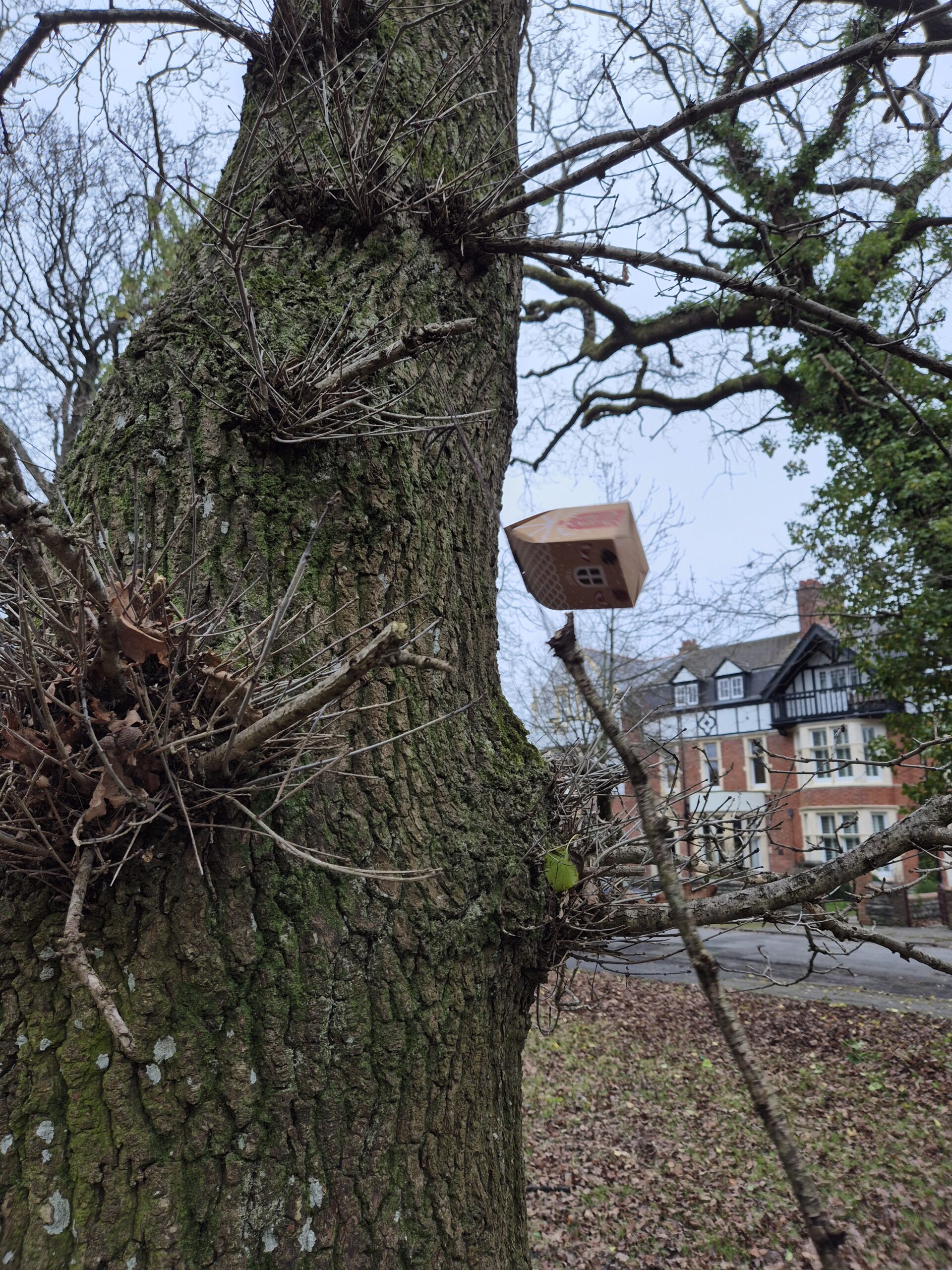
You can also do a lot with clues. I’ve read about other families who do clues entirely made up of anagrams, or riddles. I have done lots which rhyme but my favourite type now are ones where you have to use logic or your observation skills to find them. I did one which was a drawing of a door and they had to walk around the building until they found the door that matched the picture. That was great. Getting the right clue container can be satisfying too. I loved using little advent calendar cardboard boxes on one. They were really fun to spot and included chocolate inside as well as the clue.
I met a wonderful lady at the start of the year who’d done incredible themed treasure hunts for her children’s birthday parties. They’d included amazing art work and theme (Harry Potter was one) specific clues. Then a party where all the children went round town to find them. I was in awe.


Be realistic about the time and logistics involved
This is a note for me. I’m rubbish at realising how long it’s going to take to set up a treasure hunt. B is too. They feel like they should spring into place naturally but it actually takes a lot of time to work out clues, longer to make them and then there’s the inevitable rush to hide them (close enough to the start time so that they don’t wander off before they’re found). Planning helps a lot. It’s particularly tricky if you are the only adult doing it. A spare pair of hands to look after the kids while you get everything set up is very helpful.
That said, the more time you put into them, generally the better they are. There’s a real art to getting clues of the right level of difficulty and hiding them in places that are the right level of hard to see. Especially when the ‘right level’ changes with different kids and different ages.
Finally…
Getting the right treasure is the final bit of fun. We’ve done them with real presents (Christmas eve and birthdays are our traditional days of doing them) but they work just as well with I.O.U notes, chocolate or teeny little dolls house type presents (particularly good if coming from fairies).
I hope you have a lot of fun treasure hunting. Here’s to climbing ladders, thinking up the best clue and getting a bit covered in mud.


